What Is Ethics Clearance, and How Long Does It Take at a South African University?
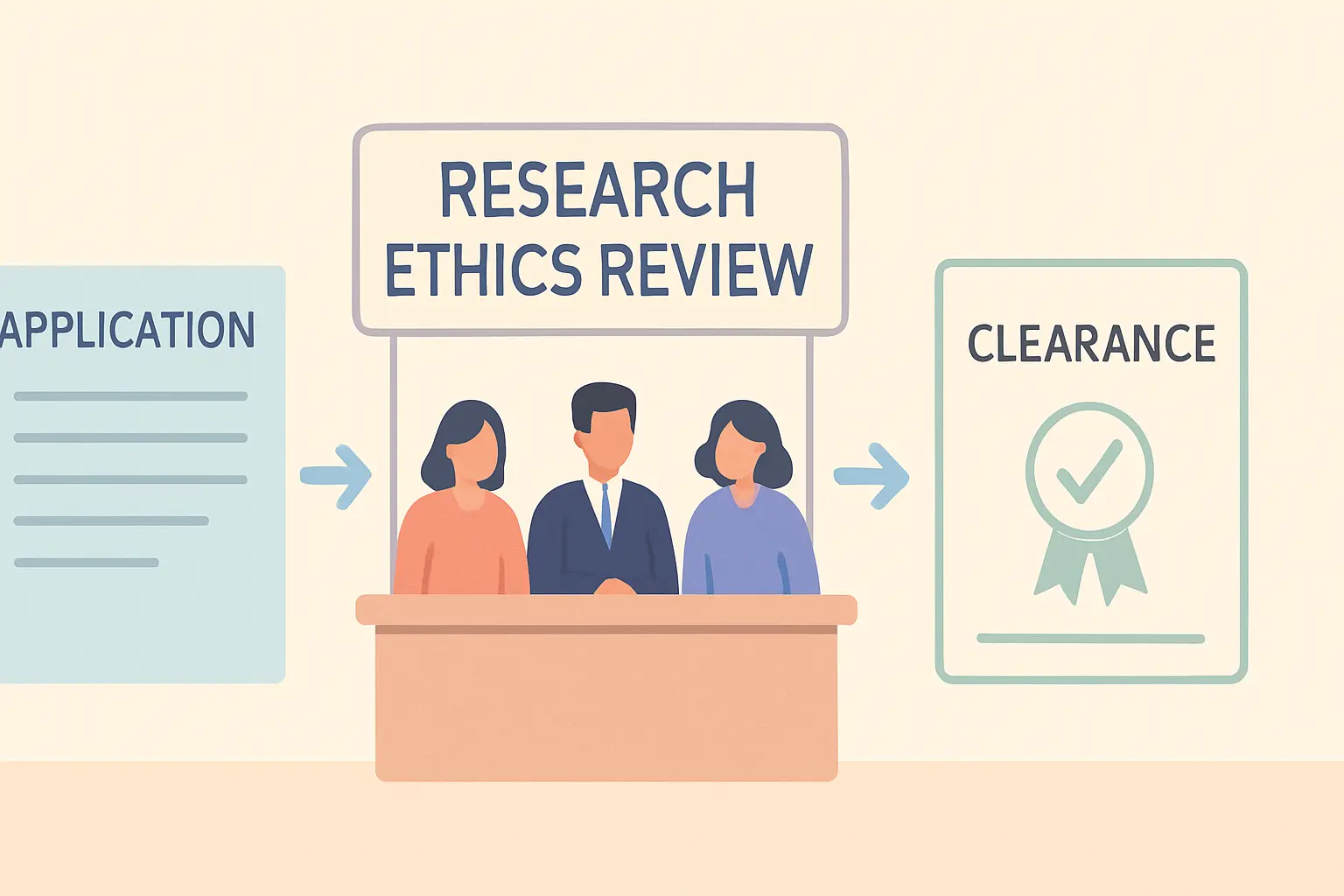
Ethics clearance is formal approval from your university’s research ethics committee confirming that your study may proceed as described. It comes after your proposal is approved, and it is binding: you may not collect a single data point before it is issued. Turnaround is measured in weeks to months, not days.
Why does ethics clearance exist?
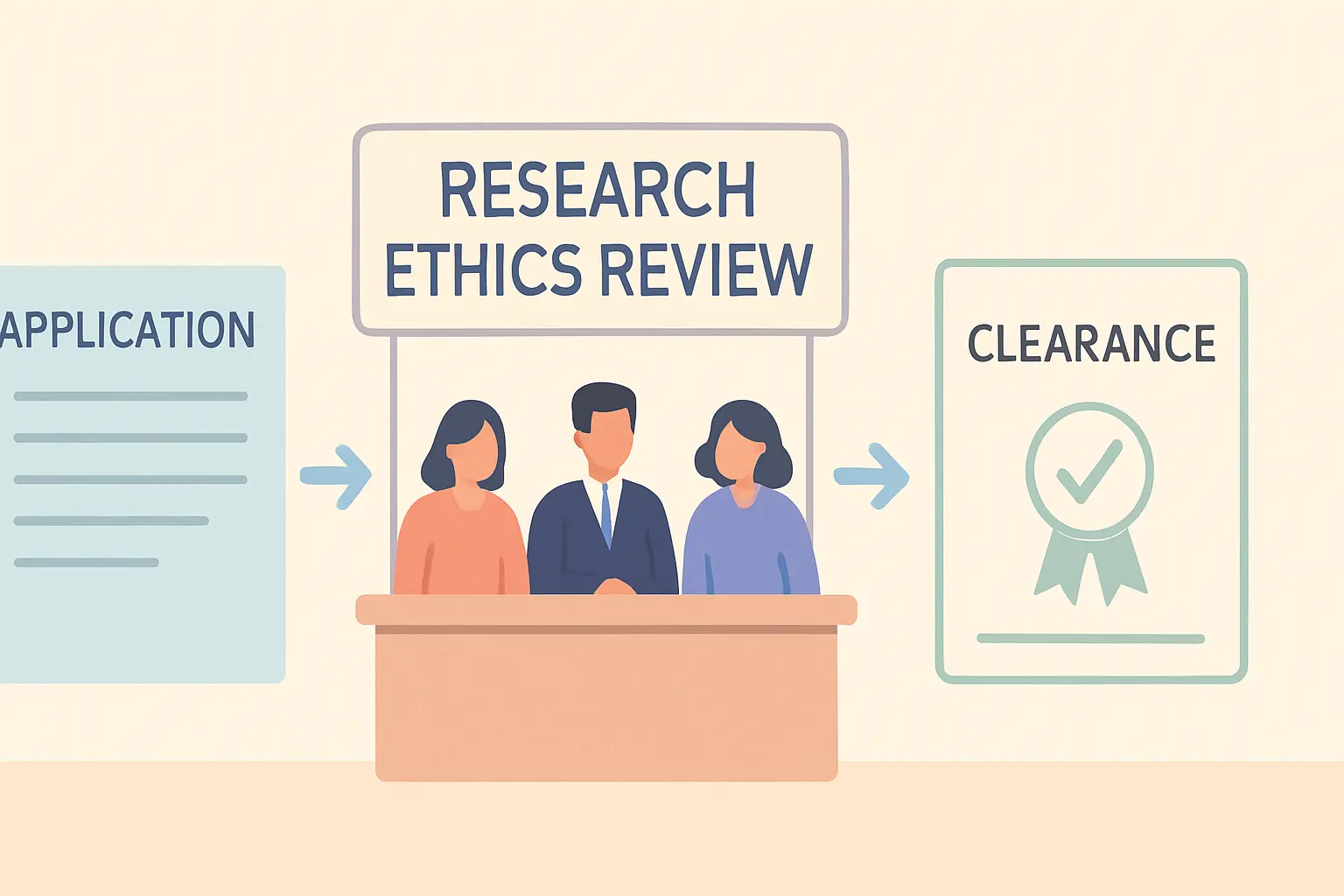
Because research can harm people, and universities carry legal and institutional responsibility for research done in their name. The committee’s job is to satisfy itself that participants understand what they are agreeing to, that risks are proportionate and managed, and that personal information is protected.
It also protects you. A study run without clearance can be refused examination regardless of quality, and data collected without it may be unusable — which in practice means repeating the fieldwork.
Who needs it?
If your study involves people, their personal information, their tissue, their records, or data held about them by an employer, school, clinic or university, assume you need clearance and let the committee tell you otherwise.
Purely desk-based work analysing published literature usually does not require clearance. The grey area — and where students most often guess wrong — is secondary data. Records about identifiable individuals generally still count as personal information even though you did not collect them yourself.
How does POPIA change this?
South Africa’s data protection statute is the Protection of Personal Information Act, 2013 (Act No. 4 of 2013), known as POPIA and enforced by the Information Regulator. The Regulator describes the Act as aiming “to promote the protection of personal information processed by public and private bodies by, among others, introducing certain conditions for the lawful processing of personal information so as to establish minimum requirements for the processing of such information.”
The practical consequence for a postgraduate researcher is that protecting participant data is a legal obligation, not only an institutional courtesy. Committees now expect your application to say specifically where data will be stored, who can access it, how long it will be kept and how it will be destroyed. “Data will be kept confidential” is no longer an adequate answer.
What does the committee actually check?
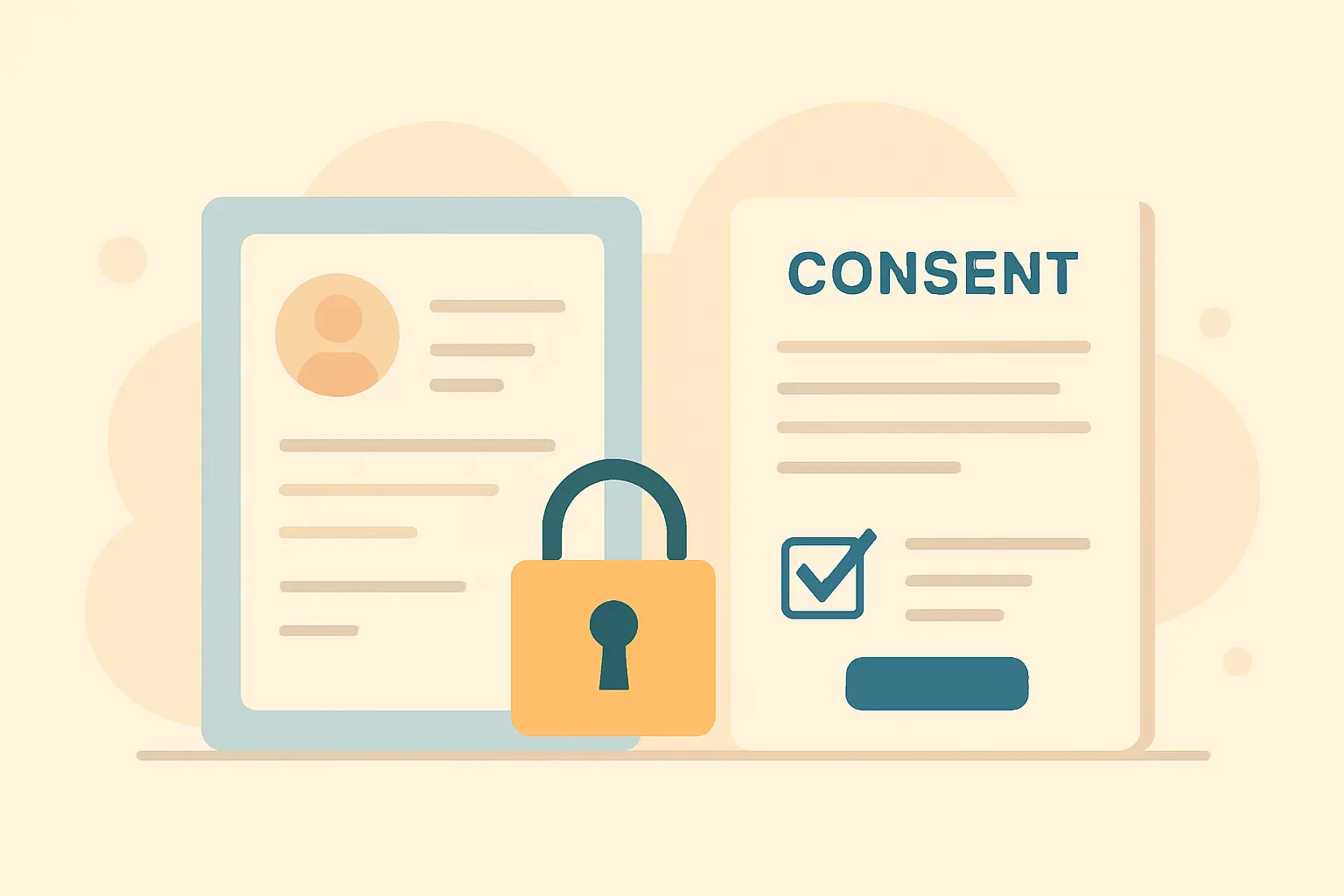
- Informed consent. Is your participant information sheet in plain language, and does it say what participation involves, how long it takes and that withdrawal is possible without penalty?
- Voluntariness and power. Are you researching your own students, staff or patients? Dependent relationships require extra safeguards.
- Risk and benefit. Are foreseeable harms identified and mitigated, including distress from sensitive topics?
- Vulnerable participants. Children, prisoners and patients attract additional requirements, often including permission from a parent, guardian or authority.
- Data protection. Storage, access, retention and destruction, in specifics.
- Gatekeeper permission. Written permission from the school, hospital, department or company whose people or records you want.
How long does it take?
Timelines are set locally, and the honest answer is that it varies widely by institution, faculty and the risk level of your study. Two structural facts drive it. Committees usually meet on a fixed cycle rather than continuously, so missing a submission date can cost you the full gap to the next meeting. And most applications come back with queries at least once, which adds another cycle.
Plan for revision as the normal case. Ask your postgraduate administrator for the committee’s meeting dates and submission cut-offs at the start, and work backwards from them.
What delays applications most?
Overwhelmingly, missing gatekeeper permission and a vague data-management section. Both are avoidable and both are entirely within your control before you submit.
The other frequent cause is a mismatch between the proposal and the ethics application. If your approved proposal says 15 interviews and your ethics form says a survey of 200, the committee will send it back. Keep the two documents aligned — which is easier if the ethics section of your research proposal was written properly in the first place.
Frequently asked questions
Can I start collecting data while I wait?
No. Data collected before clearance is granted is generally unusable, and using it is a misconduct matter. This applies to pilot interviews too.
Does an honours research report need ethics clearance?
If it involves human participants or personal information, yes. The requirement follows the research, not the level of the qualification — though committees often run a lighter process for low-risk student projects. The scope differences across the honours, master’s and doctoral levels affect the study, not whether the rule applies.
Who signs the application?
Normally you and your supervisor, and often a departmental head. Your supervisor’s signature is a statement that the study is sound, so expect them to want changes first.
What is a gatekeeper letter?
Written permission from the organisation that controls access to your participants or records. Provincial departments of health and education typically have their own separate approval processes, which run in addition to your university’s and take their own time.
Does anonymous survey research still need clearance?
Usually yes. Anonymity reduces risk but does not remove the need for review, and truly anonymous collection is harder to achieve than most students assume once you account for IP addresses and small populations.
How long must I keep my data?
Institutions set a minimum retention period and require secure destruction afterwards. Your application must state both, so check your own institution’s research data policy rather than adopting a figure from elsewhere.
Can clearance be withdrawn?
Yes, if you deviate materially from the approved protocol. If your method changes during the study, apply for an amendment rather than proceeding and explaining later.
Do I need clearance for research at my own workplace?
Yes, and it attracts additional scrutiny because of the power relationship. You will normally need employer permission as gatekeeper and a clear account of how participation stays voluntary.
Keep the paperwork moving
Ethics clearance rewards precision: a consent form in plain language, a data plan with real specifics, and an application that matches the proposal it came from. Tesify helps you draft and align those documents so the committee’s first response is approval rather than a query — 100% written by you.