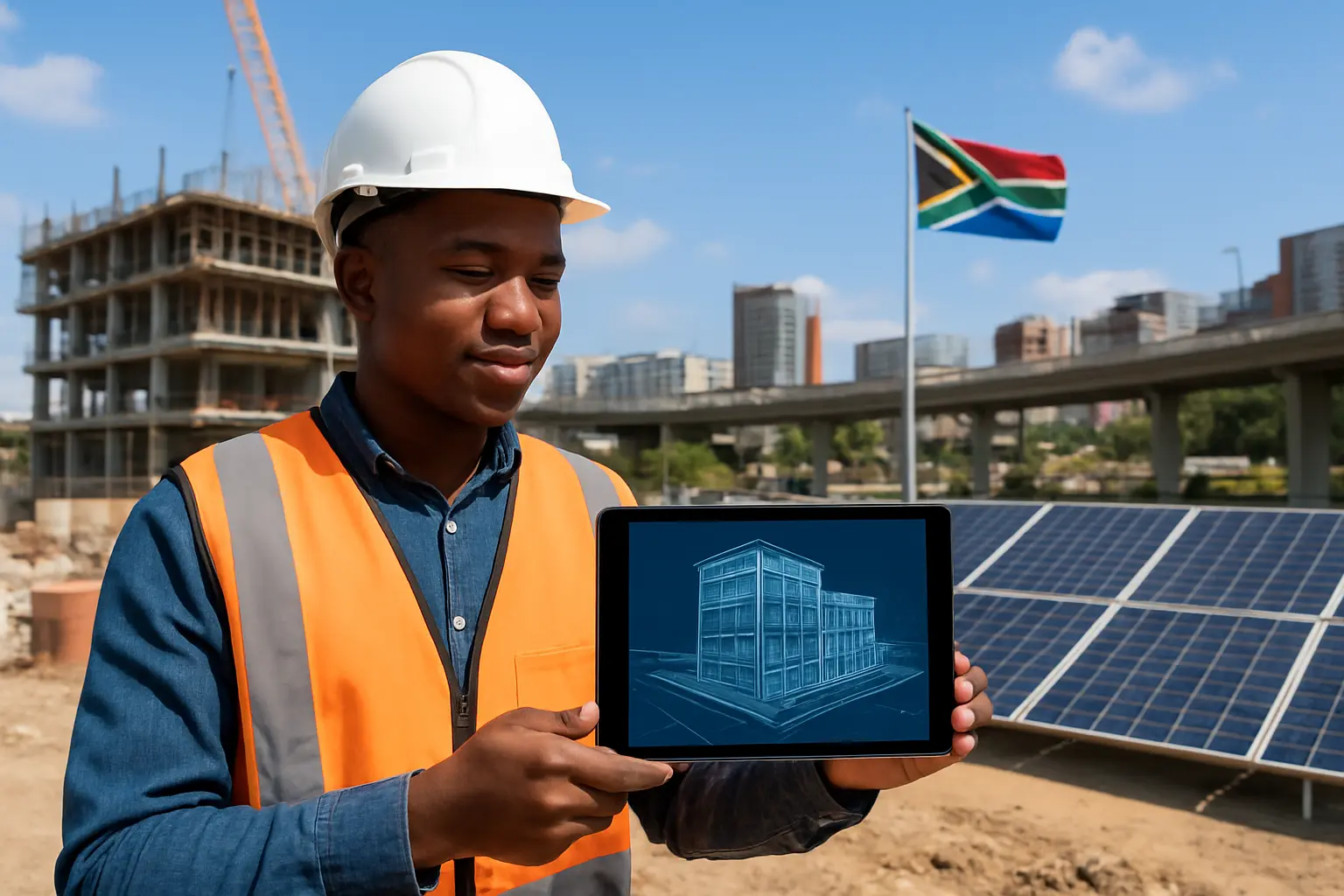
Your supervisor has rejected two topics already, registration closes in weeks, and every generic “civil engineering thesis ideas” list you find online reads like it was written for a different country’s materials, codes and infrastructure problems. Twenty topics below are scoped through two lenses that are highly relevant to South African civil engineering in 2026 — sustainability and digital transformation — each with a one-line research question and an honest note on what it actually takes to run, not just what sounds impressive on a proposal cover page.
Why a sustainability and digital-transformation lens, specifically now
Two forces are reshaping what a defensible South African civil engineering topic looks like in 2026: pressure toward energy-efficient, lower-carbon construction as load-shedding and rising material costs make traditional specifications harder to justify unchanged, and sensor and monitoring technology that is now affordable enough for a student project to use on real structures rather than only simulate. A topic that engages either lens directly tends to draw a stronger committee response than a repeat of a decade-old structural-analysis design, because it visibly connects to where the profession is moving. This list deliberately does not repeat the site’s existing civil engineering methodology chapter guide, which covers how to write the chapter once a topic like one of these is chosen — this page is entirely about the choosing.
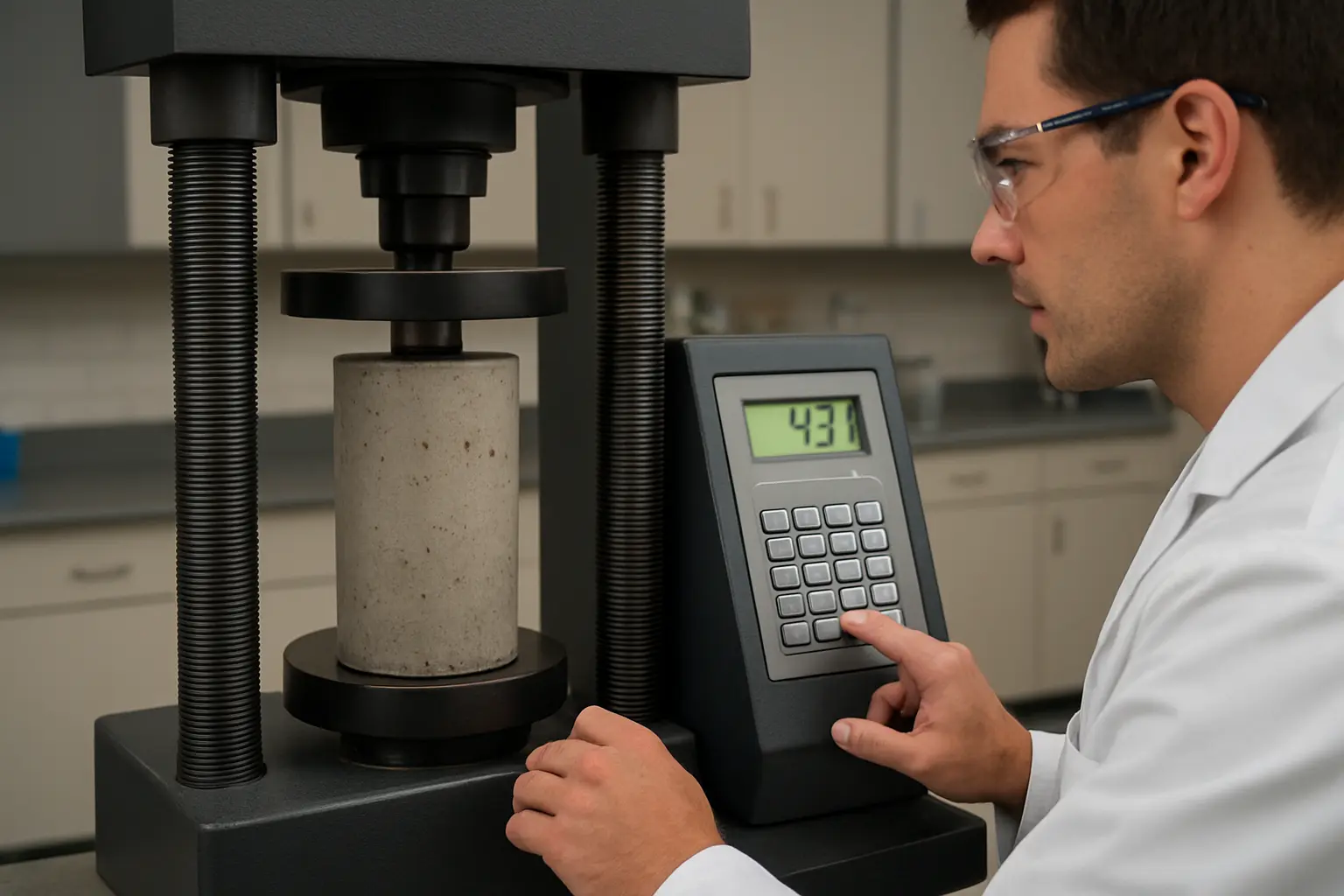
Sustainable materials and green building (4 topics)
- Partial cement replacement with fly ash in South African concrete mixes. Research question: how does fly ash substitution rate affect compressive strength and curing time in a locally sourced concrete mix? Feasibility: needs materials-lab access and a testing timeline of several weeks for curing cycles — plan your lab bookings early.
- Embodied carbon comparison of structural timber versus reinforced concrete for low-rise South African buildings. Research question: what is the embodied-carbon difference between the two structural systems for an equivalent low-rise building design? Feasibility: a desk-based lifecycle-assessment study, achievable without lab access if a recognised carbon database is available through your library.
- Rainwater harvesting system design for water-scarce municipal housing developments. Research question: what harvesting and storage capacity is needed to meaningfully reduce municipal water demand for a defined housing typology? Feasibility: a design-and-modelling study; request site rainfall records from the South African Weather Service early and check its terms and any charges for student data requests.
- Recycled aggregate use in non-structural concrete applications. Research question: how does recycled aggregate content affect the workability and strength of concrete for pavement or non-structural applications? Feasibility: materials-lab dependent, and sourcing consistent recycled aggregate supply is the main practical hurdle to plan around.
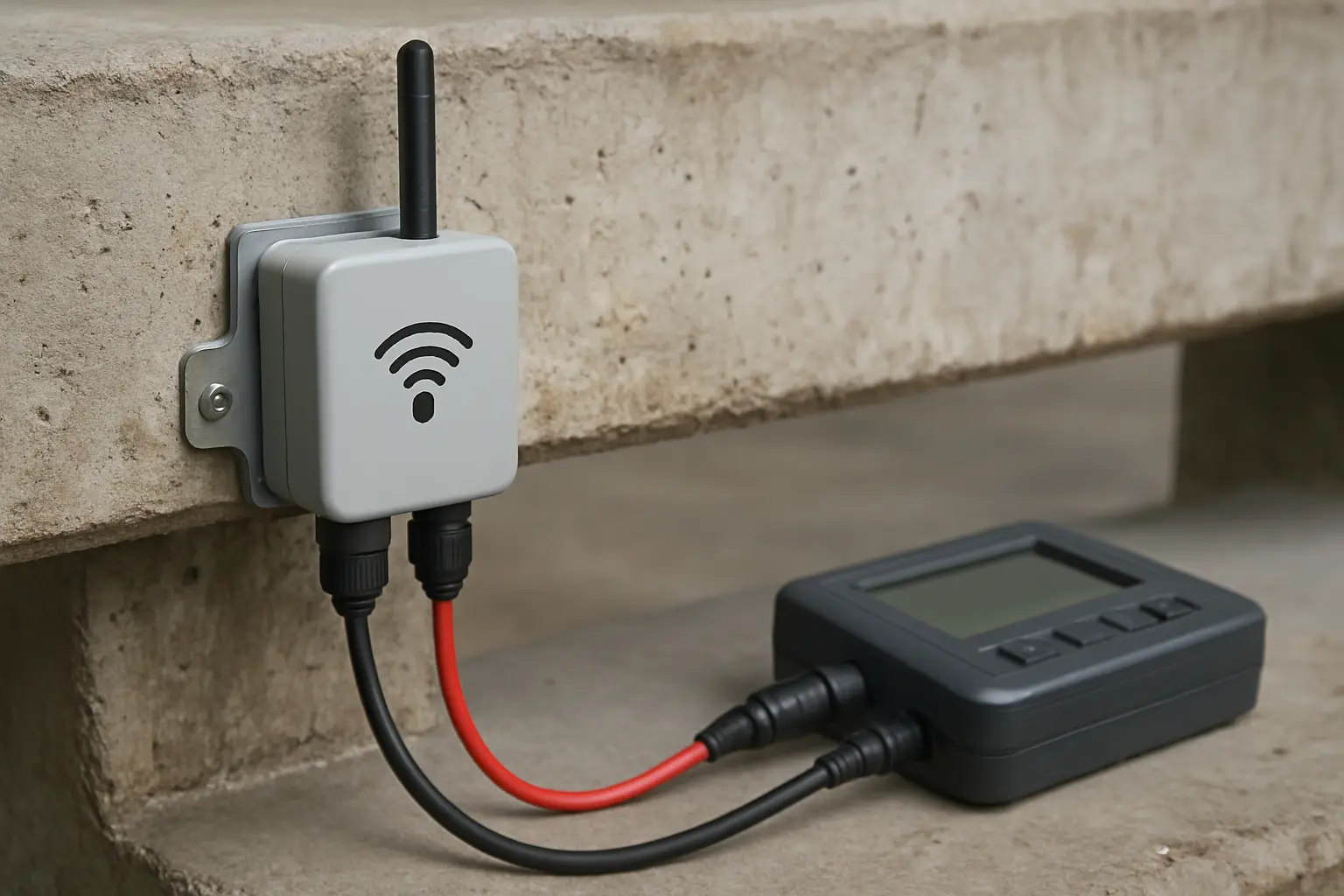
Smart infrastructure and structural health monitoring (4 topics)
- Low-cost sensor networks for bridge deflection monitoring. Research question: can a low-cost accelerometer sensor network detect deflection patterns comparable to established structural health monitoring systems? Feasibility: needs access to a real or instrumented test structure — a university footbridge or lab rig is a realistic starting point.
- IoT-based water leak detection for ageing municipal pipe networks. Research question: how effectively can a low-cost IoT sensor system detect and localise leaks in a simulated or real municipal pipe network segment? Feasibility: a municipal partnership significantly strengthens this topic but is not strictly required for a lab-scale proof-of-concept.
- Digital twin modelling for construction progress tracking on a South African site. Research question: how accurately can a digital-twin model, built from periodic site photography, track construction progress against a project schedule? Feasibility: needs a cooperating construction site willing to share access and schedule data — secure this relationship before finalising the topic.
- Predictive maintenance modelling for municipal road infrastructure using pavement condition data. Research question: can a predictive model using historical pavement condition survey data forecast maintenance need more accurately than a fixed-interval schedule? Feasibility: depends on a municipality or provincial roads agency sharing historical condition data — access, not method, is the real risk here.
Water resources and climate resilience (4 topics)
- Stormwater system capacity under revised South African rainfall intensity projections. Research question: does an existing municipal stormwater system’s design capacity remain adequate under updated rainfall intensity-duration-frequency data? Feasibility: a modelling study; needs the municipality’s stormwater design records, which vary in availability by municipality.
- Sustainable urban drainage system (SuDS) retrofit feasibility for a flood-prone South African settlement. Research question: what SuDS interventions are technically and financially feasible for retrofitting a named flood-prone site? Feasibility: combines desk-based design with a site visit; flood-history data from the municipality strengthens the case-study grounding.
- Greywater reuse system design for water-constrained informal settlement upgrading. Research question: what greywater treatment and reuse system is appropriate for a defined informal settlement upgrading context? Feasibility: a design study; community and municipal engagement adds real-world grounding but also adds an ethics-clearance and access-negotiation timeline to budget for.
- Climate-resilient culvert and bridge design standards for increased flood frequency. Research question: do current South African culvert design standards remain adequate under increased flood-frequency projections for a named catchment? Feasibility: hydrological modelling-heavy; requires comfort with hydraulic software and catchment data, which the Department of Water and Sanitation is the usual first place to look for.
Renewable energy integration in infrastructure (3 topics)
- Structural feasibility of rooftop solar retrofit on ageing municipal building stock. Research question: what structural upgrades, if any, does a defined category of ageing municipal buildings need to support rooftop solar retrofit? Feasibility: a structural-assessment desk study; building plans access from the municipality is the main constraint.
- Integration of small-scale wind infrastructure into coastal civil engineering design. Research question: what civil engineering design considerations govern small-scale wind turbine foundation integration in a coastal South African setting? Feasibility: combines geotechnical and structural design work; wind and soil data availability varies by site.
- Energy-efficient street lighting infrastructure redesign for a municipal network. Research question: what redesigned lighting infrastructure specification reduces municipal energy consumption while meeting safety lux requirements? Feasibility: a design-and-cost-comparison study; check early whether the municipality will share its current lighting specifications.
Transportation and digital tools (5 topics)
- BIM adoption barriers among small and medium South African construction firms. Research question: what factors most influence Building Information Modelling adoption among small and medium South African contractors? Feasibility: a survey-based study of practitioners; access to a firm sample is the main practical constraint, not the analysis itself — the site’s questionnaire and interview templates are a starting point for the instrument.
- Public transport infrastructure prioritisation using a multi-criteria decision model. Research question: how should limited municipal budget be prioritised across competing public transport infrastructure needs using a defined multi-criteria framework? Feasibility: a modelling study; municipal transport planning data access varies significantly by city.
- Drone-based survey accuracy compared to traditional methods for South African construction sites. Research question: how does drone-based photogrammetric survey accuracy compare to traditional total-station surveying on a defined South African construction site? Feasibility: needs drone access and a cooperating site — check your department’s own drone equipment and civil aviation registration requirements before committing to this topic.
- Non-motorised transport infrastructure gaps in a South African metropolitan municipality. Research question: where do the most significant non-motorised transport (cycling and pedestrian) infrastructure gaps occur in a defined metropolitan area, and what criteria explain the pattern? Feasibility: a GIS-based mapping and analysis study; municipal spatial data availability is the main constraint to check early.
- Cost-benefit comparison of traditional versus modular construction methods for social housing. Research question: how do lifecycle costs and construction timelines compare between traditional and modular construction methods for a defined social housing typology? Feasibility: a desk-based comparative study, achievable through published cost data and case studies without requiring a live construction site.
How do I turn one of these into an approvable proposal?
Five checks before you take any topic above to your supervisor: confirm the SANS standard or municipal framework your topic engages is one you can actually access and read in full, not just cite by number; confirm the data or site access your feasibility note flags is realistic within your registration timeline, not aspirational; narrow the scope to one clear deliverable (a comparison, a model, a feasibility assessment) rather than promising to design, test and validate a complete system; check the topic does not collide with a study already published by your own department, which your supervisor can usually confirm in one conversation; and build a fallback scope into your proposal from the outset, so a single access refusal does not force you back to square one three months into your registration. The general eight-section proposal structure every South African university expects is set out in how to write a research proposal for a South African university, once you have narrowed to one topic from this list.
What makes a topic on this list stronger than a generic international version?
Three things a South African-specific version adds that a generic international topic list never does: a named local standard (SANS, not a generic “the relevant code”), a named South African data custodian (a specific municipality, the Department of Water and Sanitation, the South African Weather Service) rather than an unnamed “local authority,” and an honest acknowledgement of the access constraints particular to working with South African municipal and provincial data — response times, data quality gaps and the provincial variation in what is digitised versus paper-only. A proposal that shows awareness of these constraints, and a fallback plan for them, reads as more credible to a South African examiner than one that assumes data access will simply happen on schedule.
Frequently asked questions
Can I combine two of these topics into one dissertation?
It is possible but adds real risk to your timeline — most honours and master’s programmes expect a single, clearly scoped contribution, and combining two feasibility-heavy topics (a sensor-network study and a digital-twin study, for instance) usually means neither gets the depth an examiner expects.
Do I need ECSA registration to complete one of these projects?
No — ECSA registration governs professional practice, not student research. Some topics reference ECSA’s registration categories as professional context, which is different from needing registration to conduct the study itself.
Which of these topics needs the least equipment or lab access?
The embodied-carbon comparison, the BIM adoption survey, the modular-construction cost comparison and the stormwater capacity modelling study are the most desk-based on this list, relying on existing data, published standards and modelling software rather than physical lab testing.
What if the municipality I want data from does not respond?
Build a fallback into your proposal from the start — a scaled-down lab or simulation version of the same research question that does not depend on external data access, so a non-response does not derail your entire timeline.
How do I know if a topic is too ambitious for an honours-level project?
If your one-line research question above still needs three or more sub-questions to become testable, or the feasibility note flags more than one hard access dependency, it is likely master’s-level rather than honours-level scope — discuss scaling it down with your supervisor.
Are these topics specific enough to avoid plagiarism concerns?
The topics and research questions are illustrative starting points, not final proposal text — you still need to develop your own problem statement, literature review and methodology around whichever one you choose, in your own words.
Which topic is most likely to already have been done at my department?
Concrete-materials and BIM-adoption topics are familiar ground in many civil engineering departments, so check your own department’s past projects before committing to either; your supervisor can tell you quickly which of the smart-infrastructure and digital-twin topics would still be new locally.
How specific does my chosen catchment, municipality or building category need to be at proposal stage?
As specific as you can reasonably commit to — a proposal naming a specific municipality or building category reads as more thought-through than one left generic, though minor scope adjustments once you confirm data access are normal and expected.
Can Tesify help me develop one of these into a full proposal?
Tesify can help you structure a chosen topic into a full proposal outline, once you have picked one and confirmed the data or site access your feasibility check depends on — the topic choice and the underlying research remain yours.